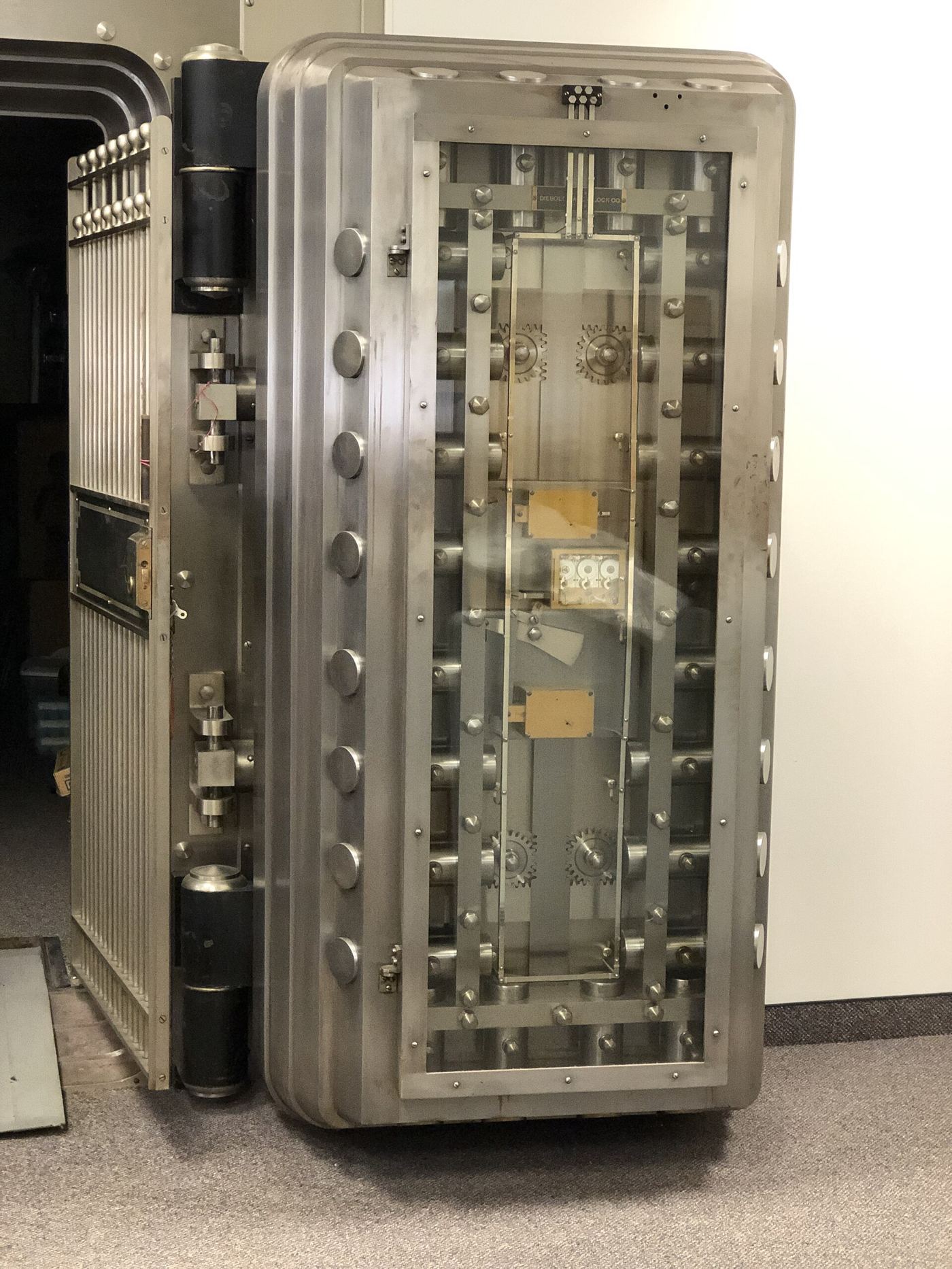
Crypto custody means holding digital assets safely on behalf of an owner, and it is one of the most important parts of the crypto industry. Unlike money in a bank, crypto is controlled by private keys, which are long secret codes that prove ownership. If a private key is lost or stolen, the assets can be gone forever, with no bank to reverse the transaction. Custodians solve this by storing keys in secure hardware, splitting them between several locations and requiring multiple approvals before any transfer. Banks, funds and companies that hold crypto for clients now expect this level of protection, and regulators increasingly require it. Good custody also means clear records, insurance, regular audits and staff who are trained to spot fraud. For ordinary holders, the same principles apply on a smaller scale, using hardware wallets and careful backup habits. Many custodians also carry insurance and undergo independent audits, which give large clients extra confidence in their services.
What the Evidence Shows
The need for strong custody has grown after a series of exchange hacks and frauds in which customers lost funds held on platforms that lacked proper controls. Insurers have begun offering cover for some crypto businesses, but policies vary widely and often exclude losses caused by poor internal controls. Cold storage, where keys are kept offline, remains the safest option for large holdings, while hot wallets connected to the internet are convenient but more exposed to attack. Many custodians now use multi-party computation, a technique that splits a key so that no single person or computer ever holds the whole secret. Users should still check who holds their assets, whether funds are segregated from the company’s own money, and what happens if the custodian fails. In crypto, security is not a feature to add later, it is the foundation. For small holders, a hardware wallet kept in a safe place offers strong protection, provided the backup phrase is stored securely. Reporting and analysis from sources such as CoinDesk track the same developments, and specialists following crypto custody say the direction is now consistent across independent lines of evidence.
The Wider Context
Market structure around crypto custody has matured in measurable ways: deeper liquidity, professional custody and surveillance-sharing agreements that exchanges once resisted. None of that removes volatility, and regulators repeat that message in every publication. What it changes is the kind of failure investors face, from disappearing venues toward ordinary, legible market risk.
What Happens Next
The outlook for crypto custody is best stated in scenarios rather than predictions, because this market still moves on sentiment as much as on fundamentals. The structural trends, institutional participation, regulated products and better consumer protection, point one way; the price charts will continue to point in several directions at once. Separating those two statements is the beginning of competence here. You can follow related developments in our coverage of crypto.
It is also worth remembering how quickly the picture in this area has changed before. Positions that looked settled a few years ago have been revised as new data arrived, and the same humility is appropriate now. The strongest coverage of this subject, and the most useful advice, tends to come from sources that update their views openly when the facts move, rather than defending an earlier position long after it has stopped fitting the evidence available.