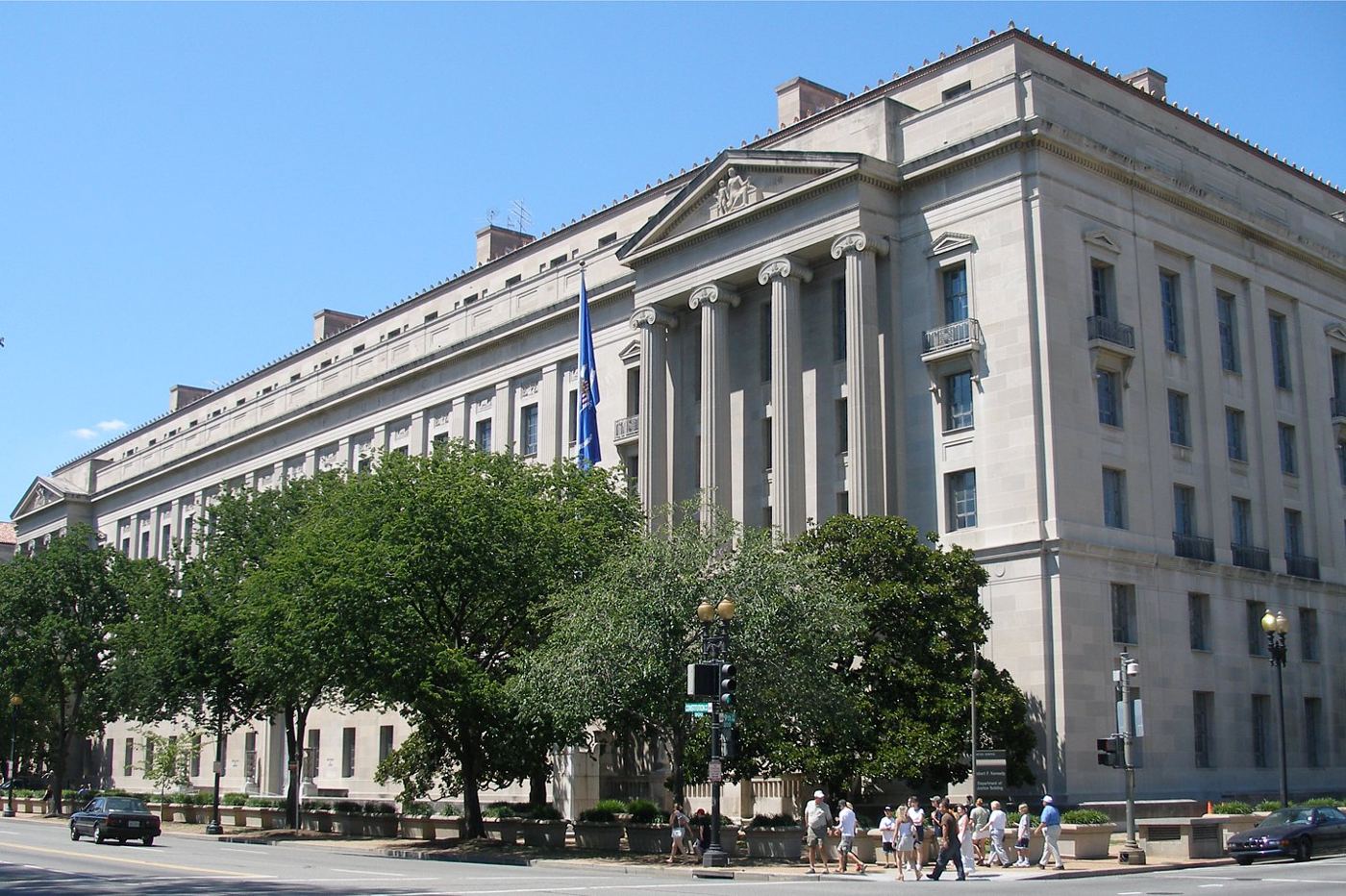
The US Justice Department announced on November 12 that courts had authorised the seizure or restraint of more than $1.2 billion in cryptocurrency stolen from Binance, as part of a wider operation that froze over $2.7 billion through combined efforts. The action is one of the largest crypto seizures ever disclosed and shows how far law enforcement’s ability to trace digital assets has come. Investigators followed the stolen funds across wallets and exchanges, using blockchain analysis to map the movement of money that criminals had assumed was beyond reach. The announcement was welcomed by exchanges, which have long argued that crypto’s public ledger makes it a poor tool for hiding crime. The Justice Department said the operation involved investigators from several agencies working alongside private firms that specialise in tracing blockchain transactions.
What the Evidence Shows
The seizure also highlights the growing cooperation between governments and the crypto industry, with exchanges sharing data and freezing accounts when presented with court orders. For ordinary users, the case is a reminder that stolen funds can be recovered even years after a theft, and that keeping assets on regulated platforms with strong security controls offers real protection. Industry analysts say the operation may encourage more victims to report thefts, knowing recovery is possible, and may push criminals toward harder-to-trace methods that carry their own risks. The funds will now move through the legal process that decides their final destination. Regulators in other countries are watching the case closely, since similar operations may follow as tracing tools improve and cooperation deepens. Reporting and analysis from sources such as CoinDesk track the same developments, and specialists following the US seizure of more than $1.2 billion in stolen crypto say the direction is now consistent across independent lines of evidence.
The Wider Context
Market structure around the US seizure of more than $1.2 billion in stolen crypto has matured in measurable ways: deeper liquidity, professional custody and surveillance-sharing agreements that exchanges once resisted. None of that removes volatility, and regulators repeat that message in every publication. What it changes is the kind of failure investors face, from disappearing venues toward ordinary, legible market risk.
What Happens Next
The outlook for the US seizure of more than $1.2 billion in stolen crypto is best stated in scenarios rather than predictions, because this market still moves on sentiment as much as on fundamentals. The structural trends, institutional participation, regulated products and better consumer protection, point one way; the price charts will continue to point in several directions at once. Separating those two statements is the beginning of competence here. You can follow related developments in our coverage of crypto.
It is also worth remembering how quickly the picture in this area has changed before. Positions that looked settled a few years ago have been revised as new data arrived, and the same humility is appropriate now. The strongest coverage of this subject, and the most useful advice, tends to come from sources that update their views openly when the facts move, rather than defending an earlier position long after it has stopped fitting the evidence available.