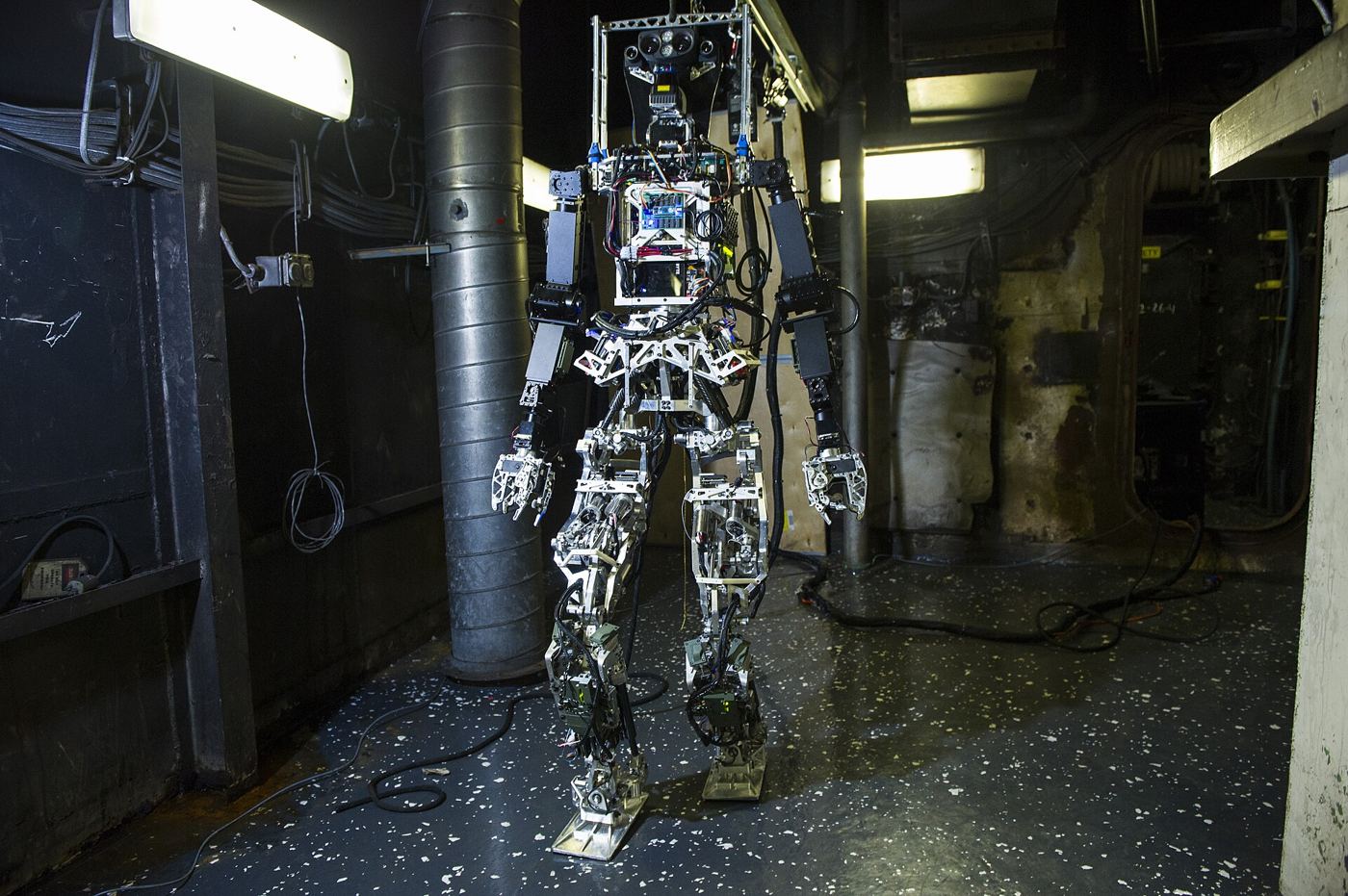
A humanoid robot that can walk into a room is only useful if its hands can do something worthwhile once it arrives. Laboratory teams are therefore focusing closely on grip, testing articulated fingers against objects of different shapes, weights and textures, from a rigid tool to a soft cloth or a fragile cup. Sensors in the fingertips measure pressure so the robot can hold an item firmly without crushing it. Cameras and depth sensors help it judge where an object begins and ends. These are skills young children develop through constant play, but for a machine each variation must be sensed, planned and corrected in real time. Test objects are chosen deliberately to expose weaknesses, including transparent bottles, slippery fruit and soft packaging that changes shape as soon as it is lifted.
What the Evidence Shows
Researchers build libraries of grasps that the robot can adapt rather than memorising a single perfect hold for every object. When a grasp fails, engineers examine whether the problem lay in vision, finger design or the software deciding how hard to squeeze. Flexible materials on the fingertips improve friction, while simpler two finger grippers sometimes outperform elaborate hands for repetitive industrial jobs. The testing informs honest decisions about where humanoid hands are genuinely needed and where a specialised tool would work better. Over time, steadier manipulation could make robots more helpful in laboratories, workshops and care settings, provided safety and reliability keep pace with dexterity. Some teams are also teaching robots to ask for help or set an object down safely when uncertain, rather than pressing on and causing damage. Reporting and analysis from sources such as Wired track the same developments, and specialists following humanoid robot hands and grip testing say the direction is now consistent across independent lines of evidence.
The Wider Context
The wider context is an industry learning to ship capability and restraint together. Products built around humanoid robot hands and grip testing now launch with safety evaluations, usage data and rollback plans as standard, because enterprise buyers and regulators ask for them in the first meeting. Companies that treated those questions as friction are discovering they have become the purchase criteria.
What Happens Next
What happens next for humanoid robot hands and grip testing depends less on another breakthrough than on the unglamorous work of reliability, pricing and support. The buyers evaluating it now are not enthusiasts; they are operators with budgets and auditors, and their checklists will decide the timeline. On the evidence of the current pilots, the technology has earned the right to be judged by them. You can follow related developments in our coverage of technology.
None of this will be settled by a single announcement, study or product launch. The pattern to watch is accumulation: independent confirmations, honest reporting of failures and steady improvement in the underlying numbers. Readers who follow those signals, rather than the loudest claim of the week, will understand this subject better than most of the commentary surrounding it suggests is possible.