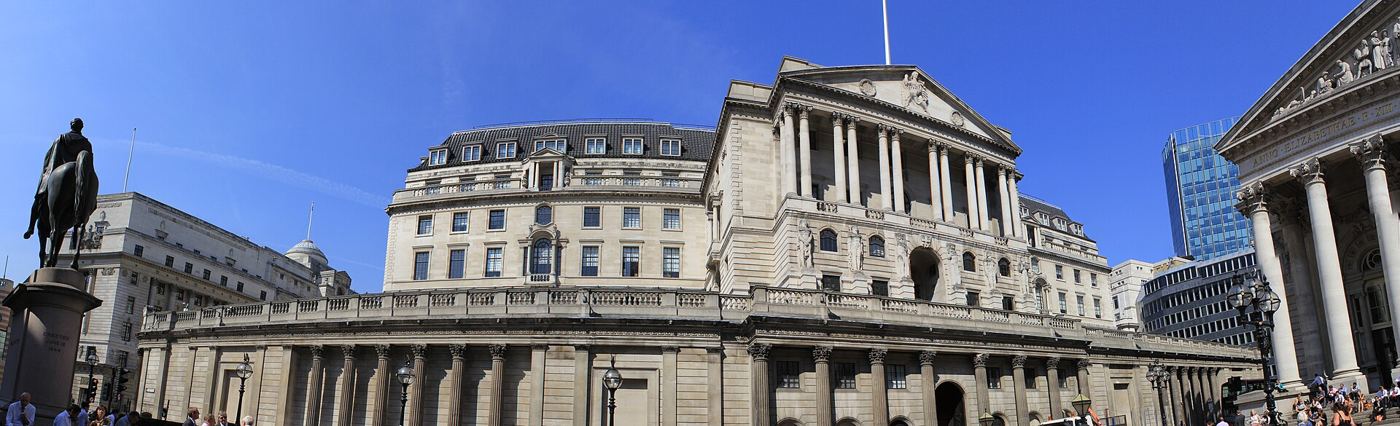
The Bank of England has raised interest rates for the first time in more than three years, lifting Bank Rate by a quarter point to 4.00 percent. The decision, the first increase since August 2023, reflects growing concern that inflation is proving harder to tame than policymakers had hoped. The Bank now expects inflation to approach 5 percent by the middle of 2027, driven largely by higher energy costs. The move puts Britain in step with other central banks that have also turned more hawkish in recent weeks, including the Bank of Canada. For millions of mortgage holders, the rise is unwelcome news at a time when household budgets are already stretched. The decision was not unanimous, with some policymakers arguing that growth is already weak enough to bring inflation down without another rise.
What the Evidence Shows
The immediate impact falls on borrowers with variable-rate mortgages, whose monthly payments will rise, while fixed-rate borrowers are shielded until their deals expire. Savers, by contrast, should see better returns on deposits, though banks are often slow to pass increases on. The Bank’s challenge is familiar: raise rates enough to squeeze inflation out of the system without tipping the economy into recession. Businesses face higher borrowing costs for investment and working capital, which may slow hiring. Economists will watch wage growth and services inflation closely for signs of whether one rise will be enough, or whether more will follow. The pound strengthened slightly after the announcement, and markets now expect at least one more increase before the Bank pauses to judge the effect on the economy. Reporting and analysis from sources such as Financial Times track the same developments, and specialists following the Bank of England’s rate rise say the direction is now consistent across independent lines of evidence.
The Wider Context
The wider context is a financial system repricing risk after a long era of cheap money. Decisions shaped by the Bank of England’s rate rise are being made under closer supervisory attention, with stress tests and disclosure rules that assume conditions can worsen quickly. Institutions that planned for the benign case are adjusting in public, which is uncomfortable and healthy in equal measure.
What Happens Next
What happens next with the Bank of England’s rate rise will be visible first in the data that professionals watch weekly: flows, spreads and the terms on new deals. Participants who spoke for this article expect a period of adjustment rather than drama, with the biggest effects landing on those who assumed the old conditions were permanent. Planning, as ever, is the cheapest hedge. You can follow related developments in our coverage of finance.
None of this will be settled by a single announcement, study or product launch. The pattern to watch is accumulation: independent confirmations, honest reporting of failures and steady improvement in the underlying numbers. Readers who follow those signals, rather than the loudest claim of the week, will understand this subject better than most of the commentary surrounding it suggests is possible.