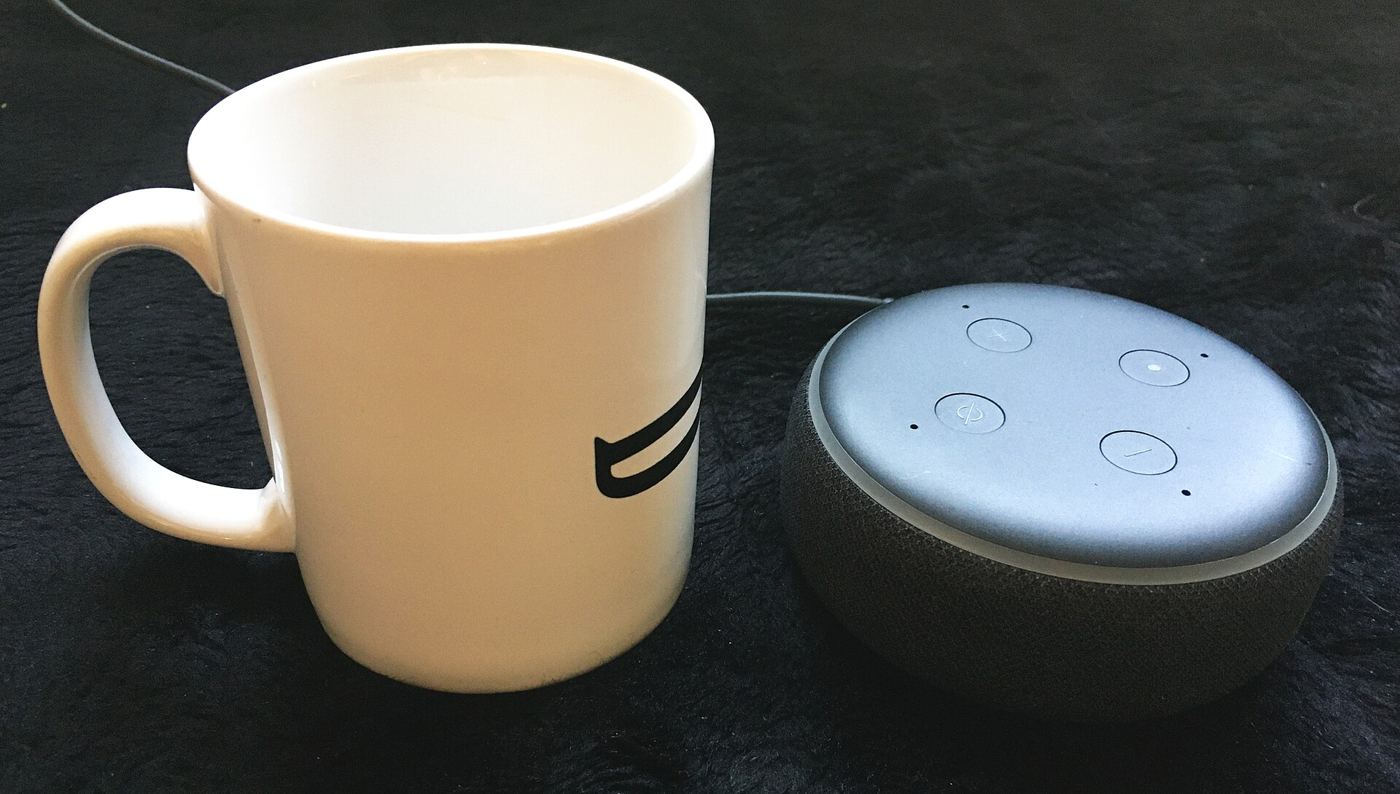
Households are using smart thermostats, plugs and lighting systems to trim energy bills as heating season approaches in many regions. The devices learn daily routines, switch off idle appliances and show residents exactly where electricity is being used. Energy advisers say visibility is the key change, because many families previously had no clear picture of which appliances drove their costs. Small adjustments, repeated daily, can add up over a winter. Specialists following smart home energy saving say automated heating schedules deliver the largest gains in homes that were previously heated while empty. Smart plugs can cut standby power from entertainment systems and office equipment, while sensors prevent lights running in unused rooms. Some utilities now offer discounts or free devices to customers who allow limited demand adjustments during grid peaks. Privacy remains a concern, and experts advise choosing products with clear data settings and regular security updates. Renters are also joining the trend through portable devices that require no permanent installation or landlord approval in many cases.
What the Evidence Shows
Retailers report strong interest in starter bundles that combine a thermostat, several smart bulbs and an energy monitoring plug. Installation has become simpler, with most products guided by phone apps and voice prompts. However, savings are not automatic. Advisers warn that poorly configured schedules can waste energy, and households should review settings after the first few weeks. Compatibility between brands is improving through shared standards, reducing the frustration of separate apps for every device. For older residents, large buttons and voice control can be more useful than complex automation. Charities are piloting device lending schemes so low income households can test the technology before buying. The data collected also helps families spot faulty appliances drawing unusual power. As prices fall, energy specialists expect smart controls to become a routine part of home efficiency upgrades alongside insulation and efficient heating systems. Reporting and analysis from sources such as Wired track the same developments, and specialists following smart home energy saving say the direction is now consistent across independent lines of evidence.
The Wider Context
The wider context is an industry learning to ship capability and restraint together. Products built around smart home energy saving now launch with safety evaluations, usage data and rollback plans as standard, because enterprise buyers and regulators ask for them in the first meeting. Companies that treated those questions as friction are discovering they have become the purchase criteria.
What Happens Next
What happens next for smart home energy saving depends less on another breakthrough than on the unglamorous work of reliability, pricing and support. The buyers evaluating it now are not enthusiasts; they are operators with budgets and auditors, and their checklists will decide the timeline. On the evidence of the current pilots, the technology has earned the right to be judged by them. You can follow related developments in our coverage of technology.
None of this will be settled by a single announcement, study or product launch. The pattern to watch is accumulation: independent confirmations, honest reporting of failures and steady improvement in the underlying numbers. Readers who follow those signals, rather than the loudest claim of the week, will understand this subject better than most of the commentary surrounding it suggests is possible.