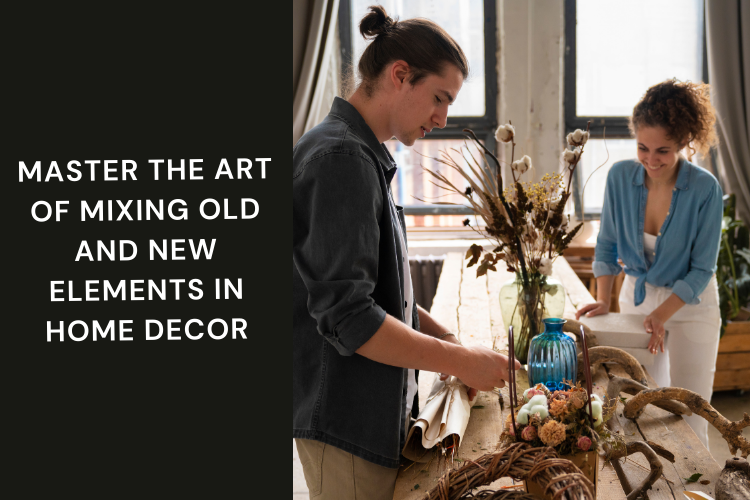
Design trends come and go, but one timeless approach stands out the art of mixing old and new. By blending vintage charm with modern elegance, you can create a space that feels both personal and stylish. The contrast between history and innovation adds depth, warmth, and individuality to any home.
At Magazines Quick, we explore how to strike the perfect balance between past and present in your decor. From pairing heirloom furniture with minimalist pieces to using bold art against rustic textures, this design style celebrates character while keeping your space fresh and curated.
Why Blending Old and New Works So Well
The Beauty of Contrast
Old and new elements create visual tension that draws the eye and sparks curiosity. This juxtaposition introduces both comfort and sophistication. For instance, placing a modern lamp on a distressed side table bridges eras and creates instant charm.
Storytelling Through Design
Antique pieces often carry a history or emotional value. Pairing them with modern items allows for storytelling. Each room becomes a narrative, a conversation between generations of design.
Layering for Depth and Character
Newer spaces can feel cold or one-dimensional. Infusing them with older, textured elements like a Persian rug or a vintage mirror adds personality and layers, making the space feel lived-in and loved.
Finding the Right Balance
Avoiding Overload
Balance is key. Too many vintage pieces can make a room feel dated, while a sea of modern furniture might lack warmth. The goal is to strike a ratio that keeps the space fresh yet grounded.
The 80/20 Rule
A helpful rule of thumb is to maintain an 80/20 split: 80% modern, 20% vintage or vice versa depending on your comfort level. This provides a strong foundation while allowing room for surprise elements.
Letting One Style Dominate
Decide whether your home leans more modern or traditional. Let that style lead the design and use pieces from the other era as accents or highlights.
Choosing the Right Pieces
Modern Furniture with Vintage Accents
Pair clean-lined, minimalist furniture with ornate or rustic accessories. A neutral-toned modern couch can be transformed with a tapestry throw or a mid-century floor lamp.
Vintage Furniture in a Modern Setting
An antique buffet can make a bold statement in a sleek kitchen. Old wooden trunks can double as coffee tables in modern living rooms. These pieces provide contrast without sacrificing functionality.
Mixing Textures and Finishes
Marble with reclaimed wood. Brass next to matte black. Velvet against raw linen. Mixing materials enhances the experience of the space and appeals to multiple senses.
Creating Cohesion Through Color
Neutral Palettes Tie It Together
Neutral tones whites, beiges, grays, and muted earth colors—can act as a unifying backdrop. They allow both modern and vintage elements to shine without clashing.
Accent Colors with Purpose
Introduce pops of color through accessories like pillows, vases, or art. Use colors that appear in both old and new pieces to create visual threads throughout the room.
The Power of Paint
A coat of paint can transform vintage furniture to suit a modern palette or highlight architectural elements that might otherwise feel out of place.
Statement Pieces That Bridge Time
Lighting Fixtures
Chandeliers with a modern twist or sleek pendant lights in a rustic room are excellent tools to marry old and new aesthetics. Lighting often acts as the punctuation mark in a room’s design.
Art and Photography
A vintage oil painting beside modern black-and-white photography can turn a blank wall into a gallery of eras. Art is a powerful bridge between design worlds.
Architectural Details
Exposed brick, wood beams, or antique moldings can remain intact while the rest of the space receives a modern upgrade. These details preserve character and tell the building’s story.
Room-by-Room Styling Tips
Living Room
Mix a contemporary sectional with a vintage coffee table. Add modern art on the walls and layer with antique vases or candle holders. Use modern lighting like arc lamps beside classic furniture.
Bedroom
Combine a modern bed frame with a vintage vanity or nightstand. Use high-quality new linens with an antique quilt. Mix metal finishes in lamps and hardware for added interest.
Kitchen and Dining
A rustic farmhouse table surrounded by modern chairs adds both function and flair. Open shelving with a mix of old ceramics and new glassware can create a stunning display.
Bathroom
Modern tiles paired with vintage mirrors or lighting can elevate a bathroom’s appeal. Even clawfoot tubs can coexist with minimalist sinks and smart lighting solutions.
Common Mistakes to Avoid
Too Many Trends
Filling your home with only what’s trendy now can make it feel outdated quickly. Mix in vintage or timeless pieces to create longevity.
Overdecorating
Cluttering every corner with contrasting items can overwhelm the eye. Allow space to breathe and focus on key statement pieces.
Forgetting Functionality
A beautiful space still needs to work. Don’t sacrifice comfort or practicality for aesthetics make sure your vintage pieces serve a modern function.
Quote Break
“Designing a space with both past and present in mind isn’t just about style—it’s about soul. The old brings wisdom. The news brings clarity. Together, they create a home.”
Blending Cultures and Eras
Global Influences
Mixing Moroccan lanterns with Scandinavian furniture or Japanese ceramics with Art Deco chairs can enhance the richness of your space. Embrace diverse inspirations.
Eras That Complement Each Other
Some time periods blend beautifully. Mid-century modern pairs well with Victorian accents. Industrial design complements rustic farmhouse pieces. Explore and experiment.
Sentimental Value and Personal History
Family heirlooms, vintage flea market finds, or furniture from your childhood home can become the soul of a modern design when thoughtfully integrated.
Shopping for Mixed Pieces
Where to Find the Best Vintage Items
- Thrift stores and antique markets
- Estate sales and online marketplaces like Etsy or Chairish
- Auctions and specialty vintage shops
Modern Finds That Work With Vintage
- Clean-lined furniture from brands like Article, CB2, and West Elm
- Modular and minimalist lighting
- Scandinavian-inspired pieces that act as neutral anchors
Custom and DIY Options
Refinishing old pieces or having custom upholstery made can help tie vintage items into your modern color palette and design goals.
FAQs
Is mixing old and new in decor a trend or a lasting style?
It’s a timeless approach. While it gains popularity through trends, the principle of contrast and storytelling ensures it remains evergreen.
How do I make sure the space doesn’t feel cluttered?
Focus on balance. Keep a clean backdrop, limit your palette, and let a few key pieces shine. Avoid overcrowding with too many contrasting elements.
Can I mix different woods and metals in one room?
Absolutely. Just make sure there’s some repetition for continuity—like using the same wood tone in two or three elements or repeating a brass finish.
Do I need a professional designer to achieve this look?
Not necessarily. With research, inspiration boards, and experimentation, you can absolutely create a balanced old-meets-new look on your own.
How do I deal with sentimental vintage items that don’t match my decor?
Find creative ways to integrate them—repaint, reupholster, or use them in unexpected ways. Sentimental value often outweighs perfect coordination.
Are there any rooms where mixing old and new doesn’t work?
Not really. The key is tailoring your approach to the function of the room. Even utility spaces like laundry rooms or mudrooms can benefit from a touch of character.
Conclusion
Mixing old and new in home decor isn’t about strict rules, it’s about creating a space that feels authentic, timeless, and uniquely yours. Vintage charm paired with modern design brings both character and elegance, telling a story of where you’ve been and where you’re going.
By balancing textures, tones, and eras, you invite warmth and individuality into your home. Start with one piece you love and let your style grow naturally. The beauty of blending is that no two spaces will ever look the same.