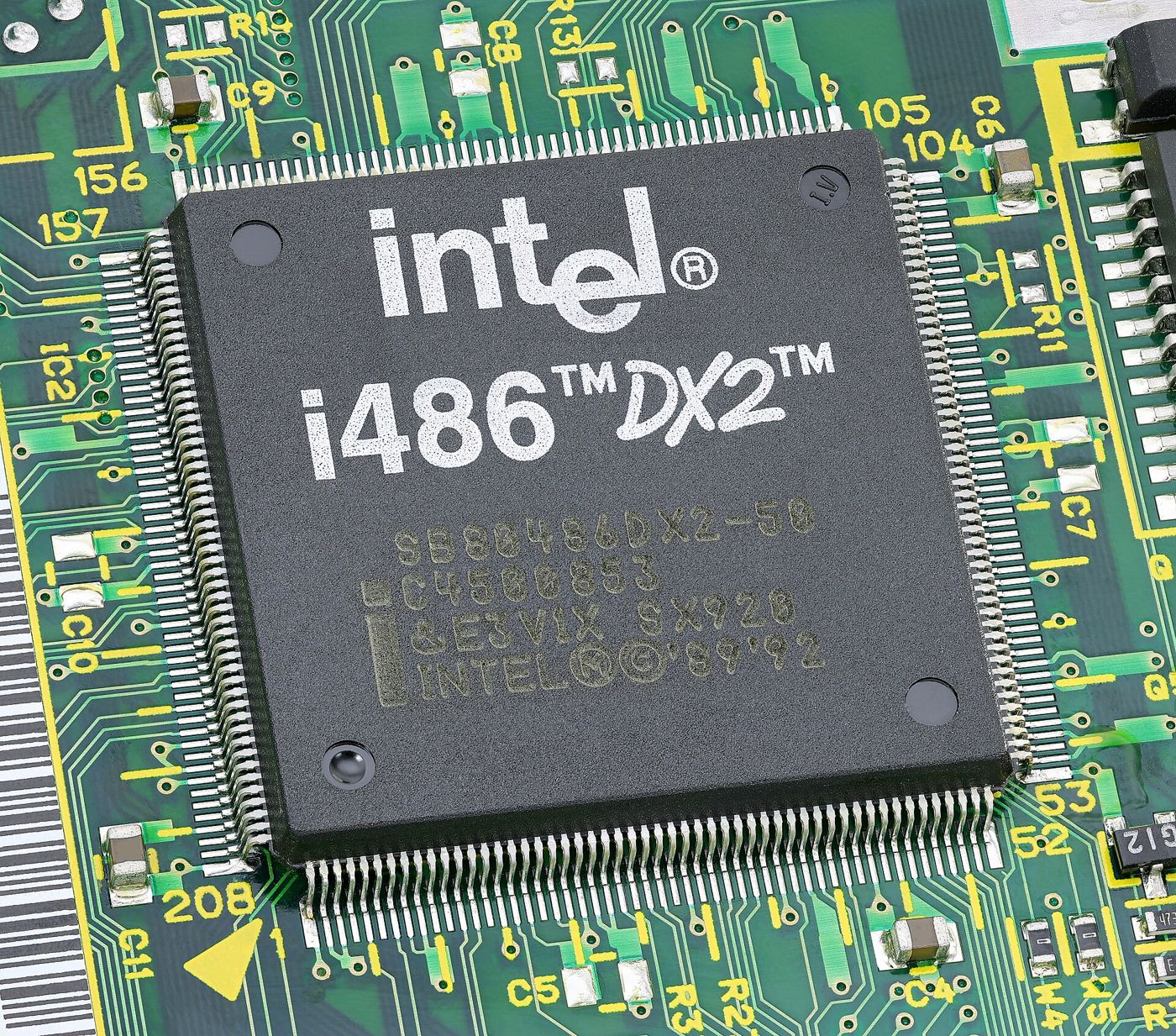
Intel shares plunged almost 29 percent after the chipmaker issued disappointing profit guidance, one of the sharpest single-week falls for a large American technology company this year. The warning came in a week when the Nasdaq 100 fell 2.09 percent and the S&P 500 declined 0.64 percent, with technology shares bearing the brunt of the selling. October had already been painful for technology investors, with the Nasdaq 100 losing almost 7 percent in the month, its weakest performance since April 2025, and more than 2 trillion dollars wiped from its market value. Intel’s plunge showed that even established chipmakers are not immune to the sector’s reassessment.
What the Evidence Shows
Investors are increasingly focused on whether the enormous spending on artificial intelligence can generate sustainable earnings and cash flow, and Intel’s guidance failed that test badly. The company’s warning contrasted with strong results elsewhere in the sector, where demand for AI chips remains high but margins and returns are under close scrutiny from analysts. The sell-off spread beyond semiconductors, with the Nasdaq falling sharply on Friday as technology shares led the decline. For Intel, the challenge is to convince investors in the coming quarters that its turnaround plan can deliver profits while rivals pour money into new chip designs and manufacturing capacity. Reporting and analysis from sources such as Financial Times track the same developments, and specialists following Intel’s sharp share plunge say the direction is now consistent across independent lines of evidence.
The Wider Context
The wider context is a financial system repricing risk after a long era of cheap money. Decisions shaped by Intel’s sharp share plunge are being made under closer supervisory attention, with stress tests and disclosure rules that assume conditions can worsen quickly. Institutions that planned for the benign case are adjusting in public, which is uncomfortable and healthy in equal measure.
What Happens Next
What happens next with Intel’s sharp share plunge will be visible first in the data that professionals watch weekly: flows, spreads and the terms on new deals. Participants who spoke for this article expect a period of adjustment rather than drama, with the biggest effects landing on those who assumed the old conditions were permanent. Planning, as ever, is the cheapest hedge. You can follow related developments in our coverage of finance.
None of this will be settled by a single announcement, study or product launch. The pattern to watch is accumulation: independent confirmations, honest reporting of failures and steady improvement in the underlying numbers. Readers who follow those signals, rather than the loudest claim of the week, will understand this subject better than most of the commentary surrounding it suggests is possible.
There is a practical lesson in all of this for readers deciding what to do today. Start with the verified facts, be wary of anyone promising certainty, and prefer reversible steps while the evidence is still developing. Circumstances differ by country, income and personal situation, so general guidance should always be weighed against your own context before you act on it in any significant or lasting way.